
The Power of Zero Podcast
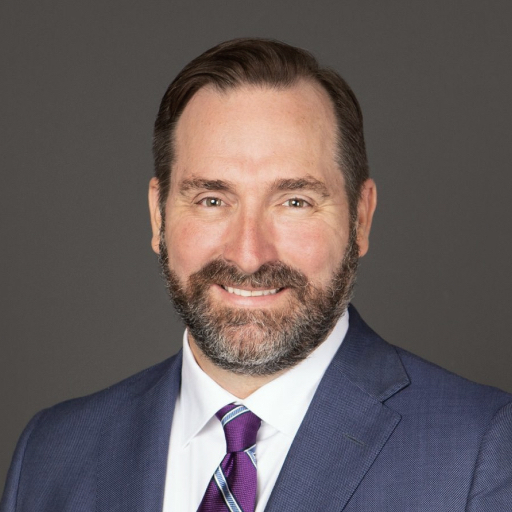
hosted by David McKnight
Tax rates 10 years from now are likely to be much higher than they are today. Is your retirement plan ready? Learn how to avoid the coming tax freight train and maximize your retirement dollars.

The Best Tax-Free Account for Retirement
David McKnight touches upon what he considers the most overlooked tax-free income stream. What he’s referring to is to leave enough money in your traditional IRA so that your required minimum distributions can be completely offset by your standard deduction in retirement. David believes that focusing on tax-free retirement strategies is more crucial than ever, since it’s becoming increasingly clear that taxes are likely to rise dramatically in the future. The United States is $39 trillion in debt and, as interest on that debt continues to grow and compound, the Government will eventually have to find ways to service […]
Convert to Roth… But Not TOO Much: The $400,000 Rule Explained
David McKnight addresses an issue he sees more and more in his conversations with retirees and pre-retirees: the so-called Roth over-conversion trap. The problem stems from converting too much money with the result of shortening the lifespan of your retirement savings. David believes that the reason why many Americans are racing to convert everything they have in their IRAs and 401(k)s has to do with the fear about where the country is headed financially. Penn Wharton has warned repeatedly that, if we don’t right our fiscal ship by 2043, no combination of raising taxes or reducing spending will arrest […]
5 Years from Retirement? Here’s Your Planning Blueprint
In this episode of the Power of Zero Show David McKnight gives you a blueprint with the key steps to follow for a successful and stress-free retirement if you’re about five years away. The first step is figuring out your retirement income shortfall, the income you’ll need every month in retirement, as well as how much of that will be covered by sources like Social Security and pensions. The retirement income shortfall represents the amount of income your retirement assets need to produce in order to fund your lifestyle. One strategy many retirees rely on is taking a portion […]
Which Retirement Accounts Should You Draw from First?
Today’s episode of the Power of Zero Show sees David McKnight address one of the most important decisions you’ll ever make in retirement: where you should withdraw money from first. It’s important to note that the sequence in which you draw down your retirement dollars can dramatically affect how long your money lasts and how much of it you get to keep. Since the Trump tax cuts were permanently extended on July 4th, 2025, retirees have been presented with one of the most significant tax planning windows they may ever see. The national debt continues to grow – with […]
How I’d Invest $1,000,000 in 2026
David McKnight discusses the allocation of $1M if he had it to invest in 2026. David sees a taxable brokerage account as the least efficient investment account you could possibly own – since it’s taxed every year and it’s exposed to both short- and long-term capital gains. While this type of account is liquid and can serve as an excellent emergency fund, it’s the most tax-unfriendly of all the investment alternatives. The goal, says David, isn’t to grow wealth within this type of account, rather to use it as a funding source to systematically build multiple tax-free income streams […]
The #1 Most Hated Retirement Strategy (That Actually Works)
This episode of The Power of Zero Show sees David McKnight discussing the single most hated retirement strategy in America: annuities. Interestingly enough, annuities are also one of the most powerful tools you can use to protect yourself from the biggest financial risk you face in retirement. Longevity risk, a retirement danger most retirees never fully grasp, is the reason why this topic matters so much. As David explains, “Longevity risk is the risk of living longer than you expected, running out of money before you run out of life.” While some people shrug longevity risk off as a […]
Elon Musk Says Stop Saving for Retirement Because of A.I. (Good Advice?)
David McKnight dissects Elon Musk’s recent claims that, because of AI robotics and automation, the future will have such hyperabundance that ordinary people may no longer need to save for retirement. In Musk’s future, robots are going to do all the work, AI will create prosperity, and society will provide everything you need at a little or no – cost. While David likes Musk’s vision for the future, he doesn’t agree with him on this one. When examined through the lens of economics, government obligations, and retirement realities, Musk’s idea of the future collapses. David identifies five specific reasons […]
Why Americans Hate Annuities
David McKnight explores one of the most fascinating and misunderstood topics: Retirement planning annuities. In the article Annuitization Puzzles, Economics Nobel Prize winner Richard Thaler tries to answer a deceptively simple question: If annuities are so good at protecting retirees from outliving their money, why don’t more people buy them? Thaler, one of the founding fathers of behavioral economics, coined the phrase “the annuity puzzle” to describe a striking contradiction between theory and real life. According to traditional economic models, the rational choice would be for retirees to annuitize at least some portion of their wealth – yet, only […]
The Only Three Assets You’ll Need in Retirement
David McKnight discusses the three assets he believes you really need for a stable, predictable tax-efficient retirement. Getting them right will dramatically reduce the risks that derail most retirements: Market risks, sequence of returns risks, longevity risks, tax risks, and long-term care risks. Stock market investments, with a 70% total US stock market index and a 30% total international stock market index, are the first thing David recommends. He defines them as “Your growth engine, the one that pays for your discretionary expenses in retirement.” David goes over aspirational and shock expenses. A Fixed Index Annuity (or FIA) is […]
The Top 5 Retirement Mistakes You May Be Making
David McKnight explores the five biggest retirement mistakes people make. When it comes to retirement “traps”, the obvious things such as picking the wrong stock, missing the next bull market or retiring at the wrong time are what typically comes to mind… The first mistake people tend to make when it comes to their retirement is believing that tax diversification is good enough. “Having the bulk of your wealth in tax-deferred accounts is like going into a business partnership with the IRS: every year, they get to vote on what percentage of your profits they get to keep. Not […]
The Only Three Investments Dave Ramsey Owns (Is This Smart?)
The focus of this episode is on what Dave Ramsey refers to as the only three investments he owns. “I have three investments: my business, paid-for real estate with no mortgages, and mutual funds,” says Ramsey. He goes on to emphasize that he doesn’t play single stock, doesn’t screw around with gold or Bitcoin, and that he doesn’t need your stock tip from your “broke golfing buddy with an opinion.” Host David McKnight wonders whether Ramsey’s investment model actually works in principle, and if parts of it can be replicated by everyday investors… Ramsey’s business functions in two powerful […]
The Roth Conversion Myth Most Financial Advisors Get Wrong
David McKnight addresses a myth floating around the financial world: “For a Roth conversion to make sense, you need many years for the Roth to grow so you can recoup the taxes you paid to the conversion.” David stresses why this way of thinking is fundamentally wrong – it’s built on the wrong assumption that all the money in your IRA belongs to you… when it actually doesn’t. Remember: your IRA isn’t one pile of money but two piles sitting in the same account. One pile belongs to you, while the other to the IRS. What’s unknown is how […]
More Resources

The Rising Cost of Healthcare and What You Can Do About It
Healthcare expenses are one of the most significant—and often unpredictable—costs in retirement. From prescription drugs and routine care to long-term care needs, the rising cost of healthcare in retirement has become a central planning issue. While many retirees expect Medicare to cover the majority of their expenses, the reality is that out-of-pocket costs often increase over time. Without proper planning, these rising costs can strain retirement income, especially when combined with other risks like tax increases or market volatility. This is where a Power of Zero approach can offer a different way forward. By shifting resources to more tax-efficient […]

Setting Financial Goals for the Year Ahead: A Retiree’s Guide
Retirement may represent the culmination of a lifelong savings journey, but that doesn’t mean planning stops. In fact, setting financial goals for retirees is a key part of staying intentional with your spending, adjusting to life changes, and aligning your resources with what matters most. Whether you’re entering your first year of retirement or have been retired for a decade, each year presents an opportunity to reevaluate and realign. Setting goals allows you to stay connected to your financial plan and gives your retirement lifestyle a clear direction.

Long-Term Care: A Financial Blind Spot for Many Retirees
Long-term care is one of the most underestimated and underplanned aspects of retirement. Many retirees hope they won’t need it—or assume Medicare will take care of it. Unfortunately, the reality is far different. Ignoring long-term care needs can have serious financial consequences. According to the U.S. Department of Health and Human Services, roughly 70% of people turning 65 today will need some form of long-term care. These services, ranging from in-home care to assisted living or nursing facilities, can cost thousands of dollars per month and are not typically covered by Medicare. That’s why long-term care financial planning for […]

How to Make Better Long-Term Financial Decisions
Financial decisions shape your future, but many people focus on short-term outcomes rather than building a sustainable long-term strategy. Whether you are planning for retirement, managing investments, or structuring your tax strategy, making better long-term financial decisions requires a mix of discipline, knowledge, and strategic planning. By avoiding common mistakes and following a structured approach, you can create a financial plan that supports your goals and helps mitigate risks along the way.

Why a Financial Check-Up Matters—Even in Retirement
Just because you’ve retired doesn’t mean your financial planning is complete. In fact, retirement often brings about new variables that require ongoing attention. A regular financial check-up in retirement can help you stay aligned with your goals, adjust to changing market conditions, and evaluate your current income, spending, and tax strategies. Unlike the accumulation phase, retirement is a time of distribution and preservation. That shift demands thoughtful monitoring—not just to track investment performance, but also to help ensure that income sources remain sustainable and tax-efficient.

How Behavioral Biases Influence Your Financial Choices
When making financial decisions, logic and rational analysis should ideally guide the way. However, human psychology often plays an unexpected role in how people manage their investments, savings, and retirement plans. Behavioral biases in financial decision-making can lead to choices that may not align with long-term goals. Understanding these biases can help you take a more strategic approach to your financial future.

How to Avoid the Biggest Investment Mistakes Retirees Make
Retirement investing requires a different approach than wealth accumulation. The transition from growing assets to withdrawing income introduces new risks and potential pitfalls. Many retirees make mistakes that can impact their financial stability, often without realizing it until it’s too late. By understanding how to avoid the biggest investment mistakes retirees make, you can develop a retirement strategy that balances income, risk, and longevity.

The Role of Insurance in a Comprehensive Retirement Plan
A well-structured retirement plan isn’t just about savings and investments—it also includes insurance to help manage risks that could disrupt your financial security. While many focus on growing their retirement accounts, fewer consider how insurance can protect their assets and provide financial stability in unexpected situations. Understanding the role of insurance in a comprehensive retirement plan can help you build a strategy that not only grows your wealth but also safeguards it against potential risks.
There's no time like the present
Contact us today to speak to one of our trusted advisors and learn how our team can partner, educate, and guide you on your path to financial confidence.